

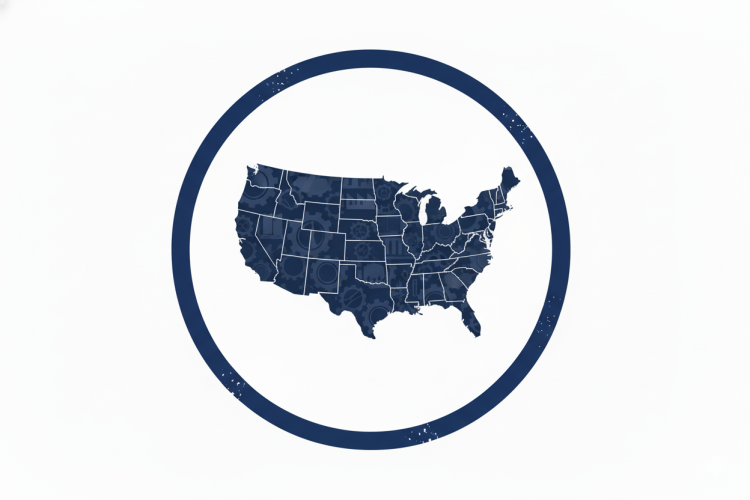
October 11, 2025 | BullxBear
Overview:
Tariffs sound patriotic — tax foreign imports, bring jobs home.
But if they’re rolled out too soon, they can backfire: raising prices, fueling inflation, and ballooning U.S. debt before new factories even exist.
⸻
The Hidden Chain Reaction:
When the U.S. adds tariffs on Chinese goods, importers pay more and pass that cost to consumers.
Prices rise, inflation stays sticky, and the Fed holds rates high.
High rates mean higher government borrowing costs — and the U.S. already spends over $1 trillion a year just on interest payments.
What begins as a “tax on China” ends up being another bill for Washington.
As prices climb, families buy less. Demand cools, growth slows, and the government steps in again with stimulus or tax breaks — adding even more debt.
⸻
How to Do Tariffs the Right Way:
Tariffs only work if domestic factories can replace imports without spiking prices.
The right move isn’t to tax first — it’s to build first.
The government should:
1.Give a two-year window for U.S. manufacturers to expand, automate, and secure materials.
2.Set a firm deadline announcing when tariffs will begin after that window.
This plan gives businesses time and confidence to invest, while signaling to importers that change is coming.
By the time tariffs hit, local goods can compete on price — keeping inflation low and jobs at home.
That turns tariffs from a short-term inflation bomb into a long-term growth strategy.
⸻
Conclusion:
Tariffs before factories are built raises debt and prices.
Tariffs after factories are built strengthen the economy.
The formula is simple:
Build first. Announce early. Enforce later.
That’s how America wins a trade war — without losing control of its wallet.


No posts found in Apple








Thank you!
Your comment has been submitted.